
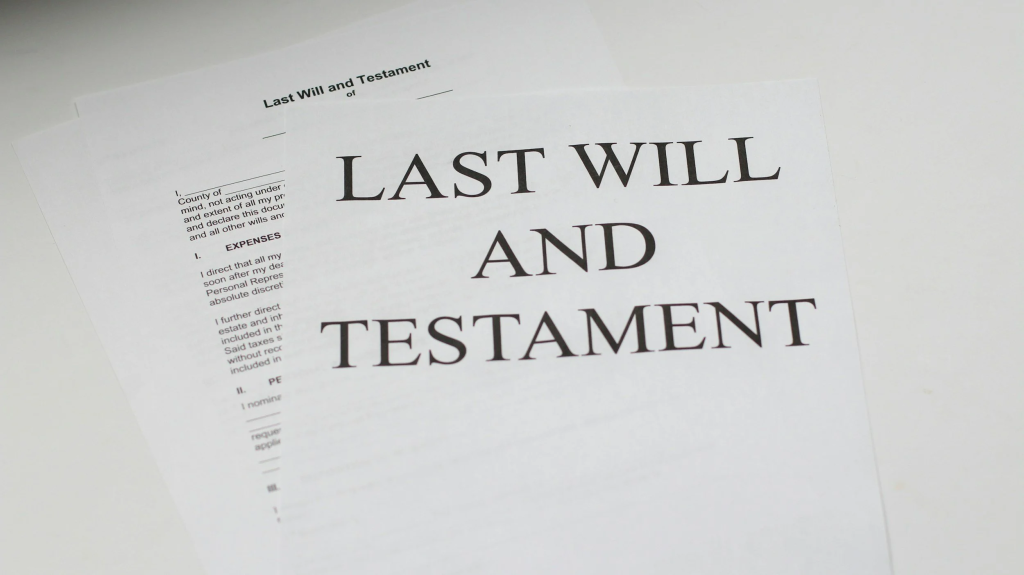
Estate planning is a crucial step in ensuring that your loved ones are taken care of and your wishes are honored after you pass away. In Texas, a state known for its rich culture and traditions, estate planning takes on special importance due to its unique laws and regulations. By creating a comprehensive estate plan, Texans can protect their assets, minimize taxes, and provide peace of mind for their families. This article explores the importance of estate planning in Texas and highlights key considerations to guide you in making informed decisions.
What Is Estate Planning?
Estate planning involves organizing your financial affairs and determining how your assets will be distributed after your death. It’s more than just writing a will—an effective estate plan may also include trusts, powers of attorney, and healthcare directives to manage your affairs in case of incapacity.
For Texans, estate planning is particularly important because it allows you to:
- Help protect your property from legal disputes.
- Ensure your family members inherit according to your wishes.
- Avoid unnecessary taxes and expenses.
- Designate guardians for minor children.
- Prepare for unexpected health issues.

Why Is Estate Planning Important in Texas?
1. Texas Probate Laws
Texas has a simplified probate process compared to many other states, but it’s still important to plan ahead. Probate is the legal process where a court validates a will and oversees the distribution of assets. Without a valid will, your estate will be distributed according to Texas intestacy laws, which may not align with your wishes.
2. Community Property Rules
Texas is a community property state, meaning that most assets acquired during marriage are jointly owned by both spouses. This can complicate asset distribution if one spouse passes away without an estate plan. Proper planning ensures clarity and fairness for surviving spouses and children.
3. Minimizing Taxes
Although Texas does not have a state inheritance or estate tax, federal estate taxes can still apply to high-value estates. With careful planning, you can use tools like trusts to minimize tax liabilities and maximize what your heirs receive.
4. Family Dynamics
Estate planning helps avoid family disputes over property and ensures that everyone is treated fairly. This is especially important in blended families, where stepchildren or second spouses may have different inheritance expectations. Clear instructions can help prevent confusion and conflict among heirs.
Key Considerations for Estate Planning in Texas
When developing an estate plan, Texans should consider the following factors:
1. Start with a Will
A will is the foundation of any estate plan. In your will, you can specify:
- How your assets will be distributed.
- Who will serve as your executor.
- Guardianship for minor children.
Make sure your will complies with Texas laws, such as requiring at least two witnesses for a valid signature.
2. Establish a Trust
Trusts can offer greater flexibility and protection for your assets. Common types of trusts in Texas include:
- Revocable Living Trusts: Allow you to manage your assets during your lifetime and distribute them without going through probate.
- Irrevocable Trusts: Offer tax advantages and asset protection but cannot be changed once created.
- Special Needs Trusts: Provide for disabled beneficiaries without affecting their eligibility for government benefits.
3. Designate Beneficiaries
Review and update beneficiary designations for life insurance policies, retirement accounts, and other financial assets. These designations often supersede instructions in your will, so accuracy is crucial.
4. Powers of Attorney
Prepare for potential incapacity by appointing trusted individuals to make decisions on your behalf:
- Financial Power of Attorney: Manages your financial matters.
- Medical Power of Attorney: Makes healthcare decisions for you.
Include a HIPAA release to ensure your designated agent can access your medical records.
5. Healthcare Directives
A living will or advance directive allows you to express your preferences for medical treatment in case you are unable to communicate. This spares your loved ones from making difficult decisions during emotional times.
6. Plan for Minor Children
If you have minor children, estate planning allows you to name guardians who will raise them in your absence. Without this, a court may decide who becomes their guardian, which may not align with your preferences.
7. Consider Digital Assets
In today’s digital age, your online accounts, social media profiles, and digital investments are part of your estate. Include instructions for accessing and managing these assets in your estate plan.
8. Review Regularly
Life changes such as marriage, divorce, the birth of a child, or acquiring new assets may require updates to your estate plan. Review your plan every few years or after major life events.
How to Get Started with Estate Planning in Texas

Estate planning may seem overwhelming, but you don’t have to tackle it alone. Here are steps to get started:
1.Make a List of Assets and Liabilities
Include all your property, investments, retirement accounts, and debts.
2.Define Your Goals
Think about how you want your assets distributed, who you want to make decisions on your behalf, and what legacy you want to leave.
3.Consult a Texas Estate Planning Attorney
An experienced attorney can ensure your plan complies with state laws and is tailored to your unique needs.
4.Communicate with Your Family
Discuss your estate plan with loved ones to minimize surprises and potential disputes.
Final Thoughts – Control Your Legacy with Lovorn Law Firm
Estate planning in Texas is more than just a financial task, it’s a way to care for your family and leave a lasting legacy. Lovorn Law Firm, PLLC has a full team of highly experienced estate planning specialists with a history of exceptional client feedback. From initial consult to client document review/approval and finally to document execution, the average time for our clients receiving their estate planning documents is less than a month. For simple documents, such as, a basic will or power of attorneys, we can often deliver documents in as short as one business day.
Regardless of your age, current finances or other situations, professional and accurate estate planning documents provide a level of security and peace of mind. As the premier law firm in the Texas Hill Country, Lovorn Law Firm is uniquely positioned to provide the best possible legal representation in Boerne, New Braunfels, Kerrville, Bulverde, Fredericksburg, Johnson City, Blanco, Bandera, Seguin and surrounding areas.
By taking the time to plan, you can protect your assets, reduce tax burdens, and ensure your wishes are respected. Start today by creating a will, considering trusts, and consulting with one of our attorneys that specializes in estate planning. Your future self and loved ones will thank you for it.